Diego Leyva12 stamps
Places,
so far.
LGW MAD BRU MEX BLR CDG SGN ICN NRT BOG
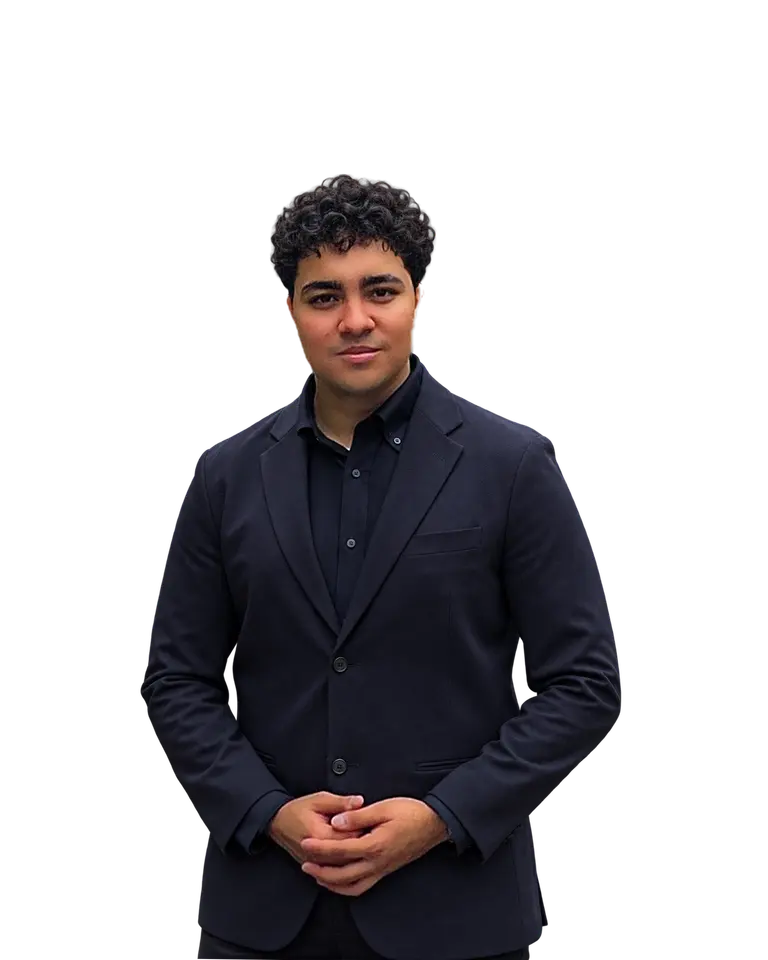
NowExchange · Bogotá
01About
I am a data science student at ESCOM – Instituto Politécnico Nacional, now on an academic exchange in Bogotá, Colombia. An internship at Infosys Limited, where I worked on trust analytics for AI agents, left me with a question standard tools do not answer: how should a system infer, step by step, whether an agent can still be trusted? Sequential inference is also how brains and animals decide under uncertainty, so I am moving towards computational neuroscience. My first research note asks whether hidden engagement states explain what tiny recurrent networks predict.
GPA 9.27/10 · BSc Data Science, ESCOM – IPN
Diego Leyva12 stamps
LGW MAD BRU MEX BLR CDG SGN ICN NRT BOG
I build AI systems that have to work outside the notebook.
PlaysValorant, Fortnite
Would fly back forButter chicken

MissesLondon's red buses (not the cold)

Favourite spotCanary Wharf

Always onMusic
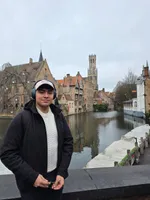
CollectsPassport stamps, 10 so far
02Work
Open a panel to see what I built and what came out of it.
01AI Engineering Intern · Infosys · 2026
When software agents act on their own, how do you tell from their behaviour whether they can still be trusted?
02Infosys · AI-First Engineering training · 2026
Built a Multimodal RAG Research Assistant with document/image embeddings and a Data Analyst Agent executing sandboxed pandas code from natural-language queries, during AI-First Engineering training
03RAG on Azure OpenAI · 2024–2025
04Sensor Analytics & AI Explain · 2025
05Retail Analytics Dashboard · 2024–2025
03ResearchWhat I'm exploring
Notes from computational neuroscience, published while they are still plans.
P(engaged | choices so far)
Fig. 1The line is the model's belief, trial by trial, that the simulated participant is engaged. The grey 90% band shows where that belief falls in 90% of 200 re-runs of the same session. The bars underneath mark the stretches where the participant was truly disengaged.
Research note
A planned test of whether engaged and disengaged states, rather than new learning rules, explain why very small recurrent networks predict choices better than standard reinforcement-learning models.
Read the noteWhere it started
That question pulled me from AI systems towards computational models of engagement and choice.
04Path
Mexico City, London, Bangalore, Bogotá.
–
ESCOM – IPN · Mexico City
GPA: 9.27/10
–
Queen Mary University of London · London
Introduction to AI (A), Multi-Platform Game Development (B)
–
–
Universidad de San Buenaventura · Bogotá
Coursework in Systems Engineering and Business Administration
What's next
Finishing my BSc at ESCOM, 2027.
Diego Leyva
Lines: 04
Two credentials to keep
06Contact